Introduction
Technology is evolving at a pace that often feels overwhelming, and two terms that frequently come up in this transformation are Artificial Intelligence and Machine Learning. While many people use these terms interchangeably, they are not the same. Understanding the difference between Artificial Intelligence vs Machine Learning is important, especially if you’re exploring careers in tech, digital marketing, or data-driven fields. This article breaks down both concepts in a simple and practical way, helping you see how they relate to each other and where they differ in real-world applications.
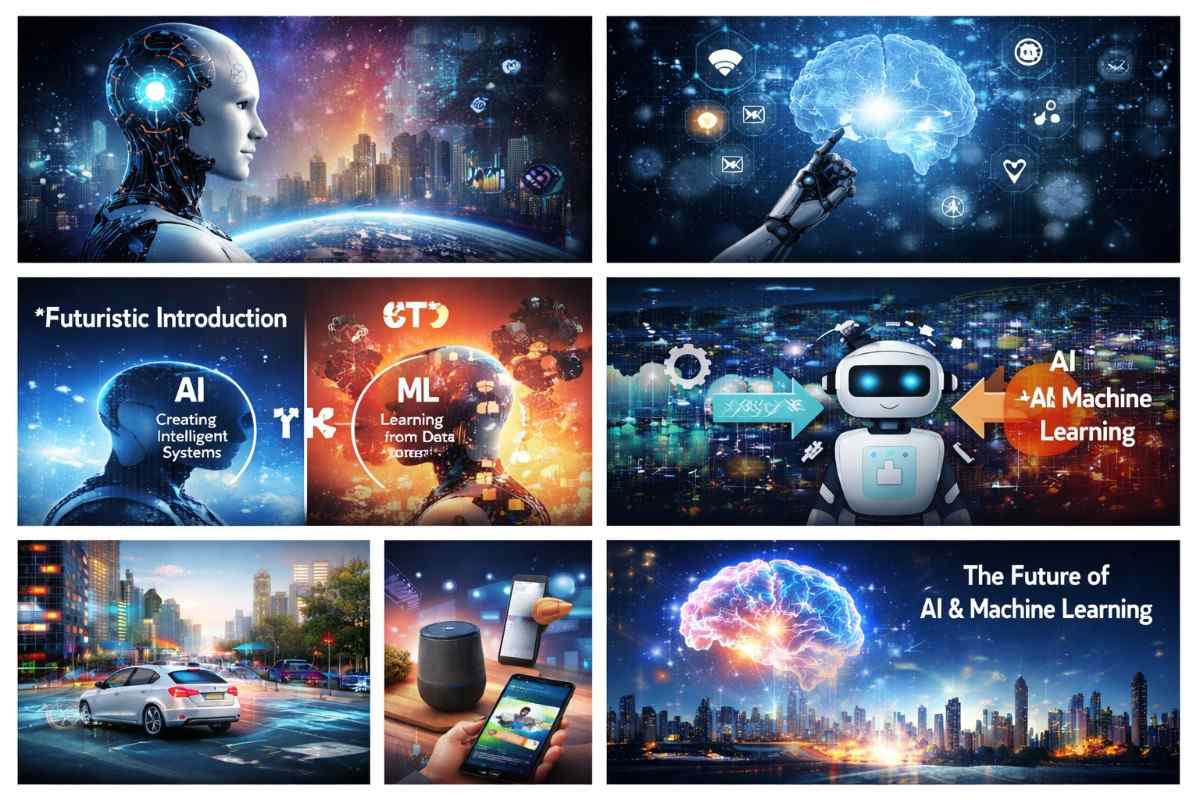
What is Artificial Intelligence?
Artificial Intelligence, often referred to as AI, is a broad field of computer science focused on building machines that can mimic human intelligence. The goal is to create systems that can perform tasks such as decision-making, problem-solving, language understanding, and even visual perception.
AI is not limited to one specific method or approach. Instead, it includes multiple technologies and techniques that allow machines to behave intelligently. For example, virtual assistants, recommendation systems, and self-driving cars all fall under the umbrella of AI. When discussing Artificial Intelligence vs Machine Learning, it’s important to understand that AI is the bigger concept that includes many subfields.
AI systems can be rule-based or data-driven. Early AI systems relied heavily on predefined rules, but modern AI systems are more adaptive and capable of learning from data, which is where Machine Learning comes in.
What is Machine Learning?
Machine Learning is a subset of Artificial Intelligence that focuses specifically on enabling machines to learn from data without being explicitly programmed for every task. Instead of writing fixed instructions, developers create models that improve automatically as they process more data.
In simple terms, Machine Learning allows systems to identify patterns and make predictions. For example, when you receive movie recommendations or see spam emails filtered out, Machine Learning is working behind the scenes.
When comparing Artificial Intelligence vs Machine Learning, think of Machine Learning as a practical approach used to achieve AI. It focuses on algorithms, data, and statistical techniques rather than the broader goal of simulating human intelligence.
Key Difference Between Artificial Intelligence vs Machine Learning
Artificial Intelligence is the overall concept of creating intelligent machines, while Machine Learning is a specific technique used to build those machines.
Artificial Intelligence aims to create systems that can think and act like humans. It may involve logic, reasoning, planning, and even emotional understanding. On the other hand, Machine Learning focuses on learning from data and improving performance over time.
Another important distinction in Artificial Intelligence vs Machine Learning is how they operate. AI can work using predefined rules, whereas Machine Learning relies heavily on data and algorithms to learn patterns.
How They Work Together
Although there is a clear difference between Artificial Intelligence vs Machine Learning, they are closely connected. Machine Learning is one of the most important tools used to implement AI systems today.
For example, a chatbot is an AI application. However, the ability of the chatbot to understand user queries and improve responses over time comes from Machine Learning. Without Machine Learning, many modern AI systems would not be as effective or adaptive.
This relationship makes it easier to understand why people often confuse Artificial Intelligence vs Machine Learning. Machine Learning powers many real-world AI applications, making it a critical part of the AI ecosystem.
Types of Machine Learning
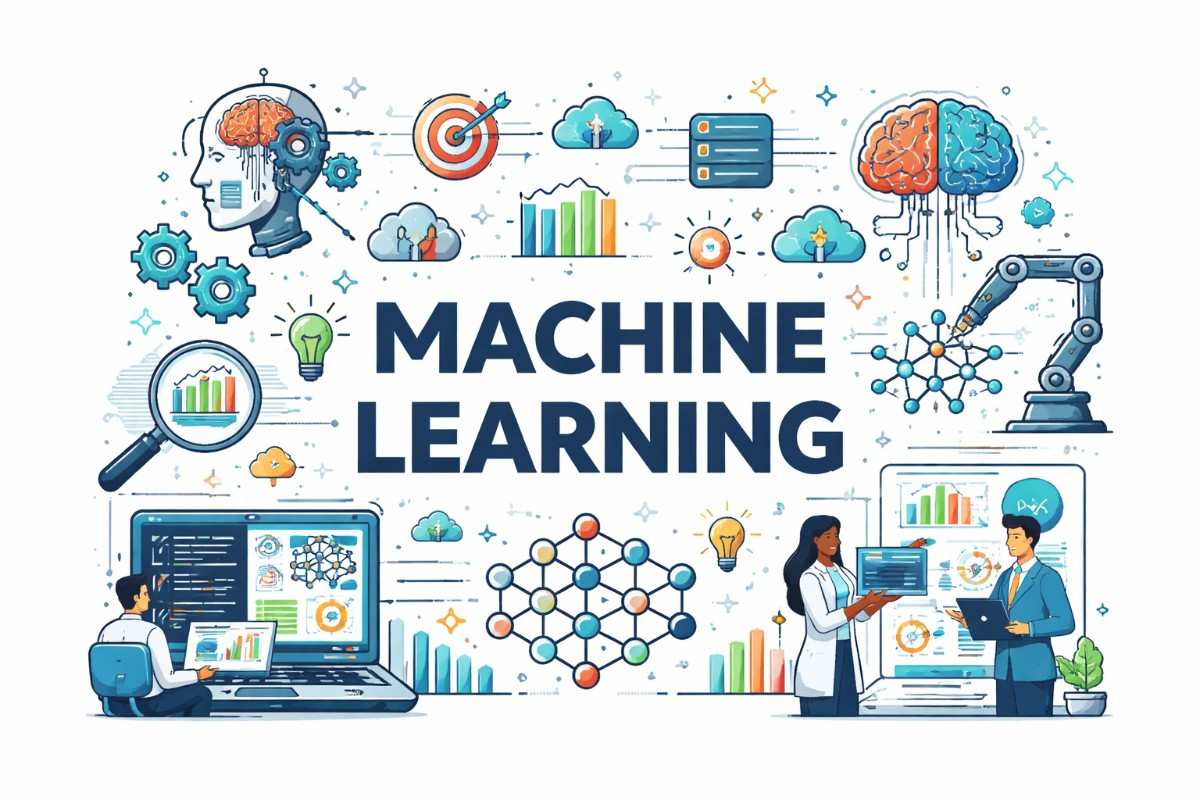
To better understand Artificial Intelligence vs Machine Learning, it’s helpful to look at how Machine Learning itself works. There are three main types:
The system learns from examples and predicts outcomes based on that learning. This is commonly used in tasks like email filtering and image recognition.
Unsupervised learning deals with unlabeled data. The system tries to find hidden patterns or groupings within the data. This is useful in customer segmentation and recommendation systems.
Reinforcement learning is based on trial and error. The system learns by receiving rewards or penalties for its actions, similar to how humans learn from experience.
These approaches highlight how Machine Learning contributes to the broader concept of Artificial Intelligence vs Machine Learning.
Real-World Examples
Understanding Artificial Intelligence vs Machine Learning becomes easier when you look at real-life examples.
Artificial Intelligence can be seen in self-driving cars, where systems analyze surroundings and make driving decisions. It is also used in voice assistants that understand and respond to human language.
Machine Learning, on the other hand, is used in predicting user behavior, fraud detection, and personalized recommendations. For instance, when an app suggests products based on your past activity, that’s Machine Learning at work.
These examples clearly show that while Machine Learning supports AI, not all AI systems rely solely on Machine Learning.
Advantages and Limitations
When analyzing Artificial Intelligence vs Machine Learning, it’s important to consider their strengths and limitations.
Artificial Intelligence offers the potential to automate complex tasks, reduce human effort, and improve efficiency. However, building advanced AI systems can be expensive and requires significant expertise.
Machine Learning is powerful in handling large amounts of data and improving accuracy over time.
Understanding these factors helps you see the practical side of Artificial Intelligence vs Machine Learning and how they are applied in industries.
Career Opportunities
The demand for professionals skilled in Artificial Intelligence vs Machine Learning is growing rapidly. Companies are looking for individuals who can build intelligent systems, analyze data, and create predictive models.
Roles such as AI Engineer, Data Scientist, and Machine Learning Engineer are becoming increasingly popular. If you are entering the tech field, learning the difference between Artificial Intelligence vs Machine Learning can give you a strong foundation.
Future Scope
The future of Artificial Intelligence vs Machine Learning looks promising. AI is expected to become more advanced, capable of handling complex human-like tasks. Machine Learning will continue to evolve with better algorithms and more efficient models.
As technology grows, the integration of Artificial Intelligence vs Machine Learning will become deeper, influencing industries like healthcare, finance, education, and marketing.
Conclusion
To sum up, the difference between Artificial Intelligence vs Machine Learning lies in their scope and functionality. Artificial Intelligence is the broader concept of creating intelligent machines, while Machine Learning is a method used to achieve that goal through data-driven learning.
Both are essential in today’s digital world and work together to power many technologies we use daily. By understanding Artificial Intelligence vs Machine Learning, you can better appreciate how modern systems function and how they will shape the future.
This knowledge is especially valuable if you’re planning to build a career in technology or simply want to stay informed about the latest trends.
“Enjoyed this read? Explore more articles on different topics