Introduction
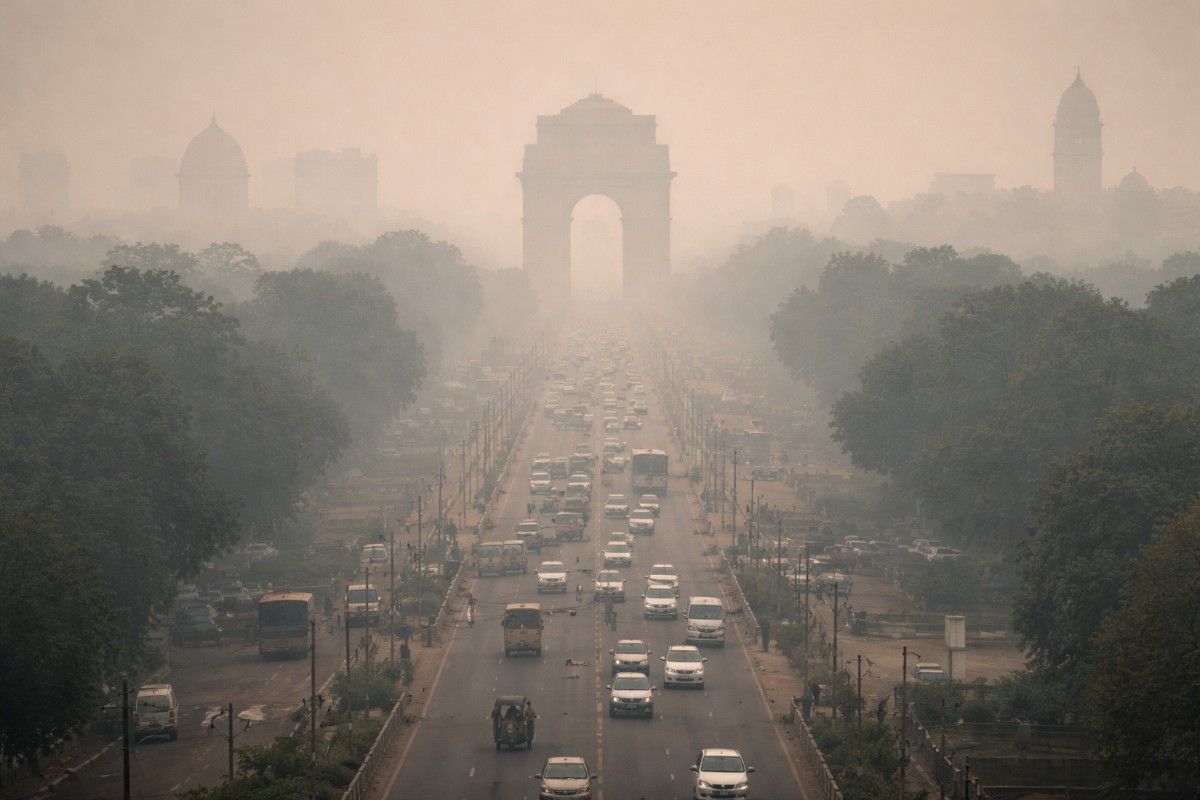
Over the past few days, Delhi’s Air Quality Index (AQI) has shown a sharp rise, edging dangerously close to the ‘severe’ category. Several monitoring stations across the city have reported AQI levels far beyond safe limits, making outdoor activities risky for people of all age groups.
The dense smog has significantly reduced visibility, especially during early morning and late evening hours, affecting daily life and traffic movement.
Major Reasons Behind Rising Pollution Levels
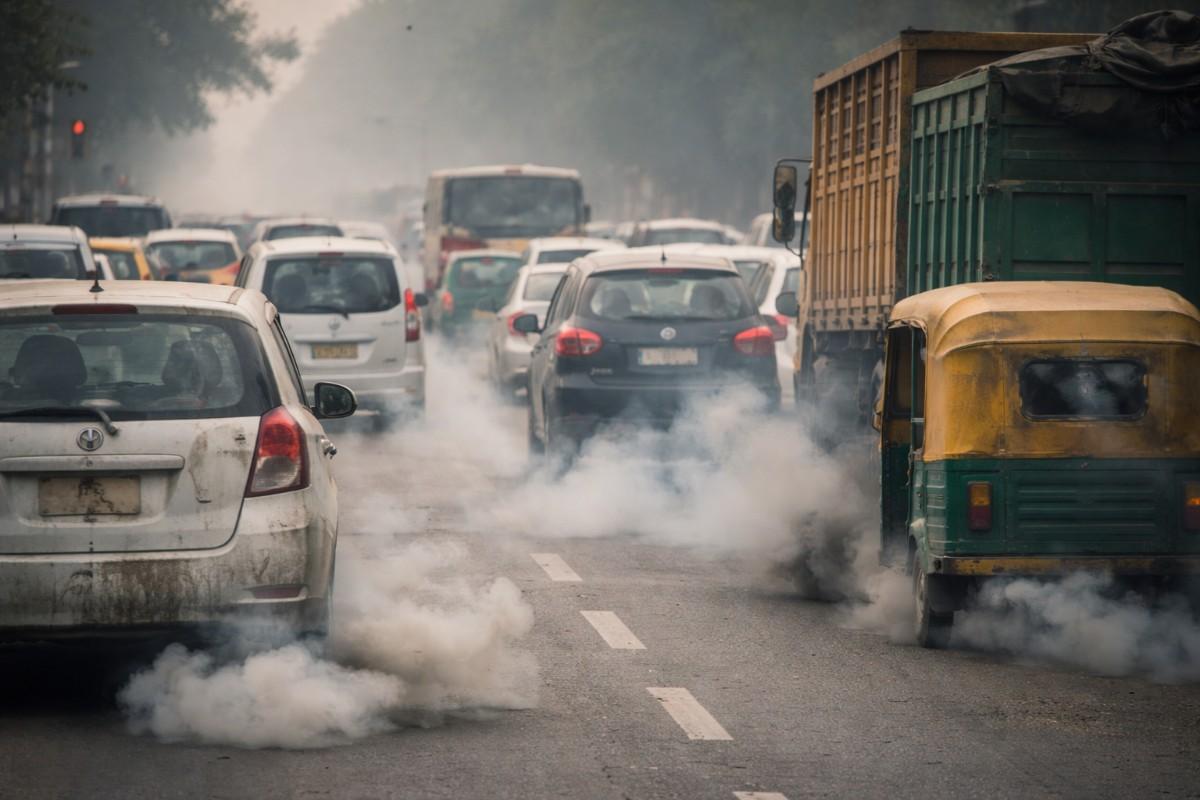
- Vehicular emissions increasing due to heavy traffic
- Stubble burning in neighboring states
- Construction dust and industrial pollution
- Unfavorable weather conditions, such as low wind speed
Health Advisory Issued for Residents
Recommended Safety Measures:
- Avoid outdoor activities, especially in the morning
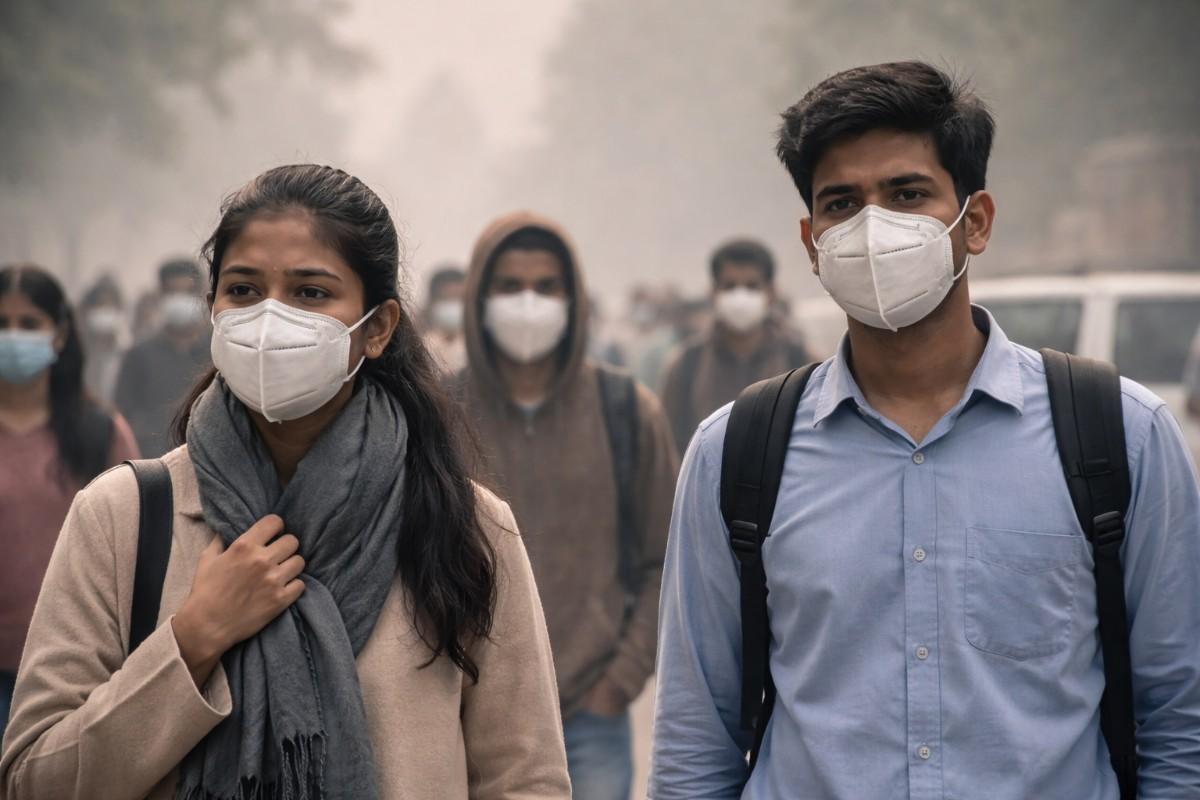
- Wear protective masks while stepping out
- Use air purifiers indoors
- Stay hydrated and consume immunity-boosting foods
Government Response and Preventive Measures
Need for Long-Term Solutions
Impact on Daily Life and Public Movement
The rising pollution levels have begun to disrupt daily routines across Delhi. Morning walkers, joggers, and outdoor workers are staying indoors, while schools have advised parents to limit children’s outdoor exposure. Ride-hailing services and public transport users are also reporting discomfort due to reduced visibility and breathing difficulties.
Office-goers commuting during peak hours are experiencing longer travel times as smog slows down traffic across major roads and highways.
Schools and Institutions on Alert
Weather Conditions Offer Little Relief
Meteorologists state that the absence of strong winds and lack of rainfall have contributed to the accumulation of pollutants in the atmosphere. Until favorable weather conditions return, air quality is expected to remain poor in the coming days.
Experts warn that without immediate intervention, pollution levels could cross into the severe category, further worsening public health risks.
Citizens Urged to Act Responsibly
Authorities are appealing to residents to play their part in controlling pollution by avoiding unnecessary vehicle use, opting for carpooling or public transport, and refraining from activities that add to air pollution.
Simple actions like reducing firecracker usage, proper waste disposal, and reporting pollution violations can collectively make a significant difference.
Environmental Experts Call for Regional Cooperation
Environmental analysts emphasize that Delhi’s air pollution problem cannot be solved in isolation. Coordinated action between Delhi and neighboring states is crucial to address sources like crop residue burning and industrial emissions.
They suggest strengthening early-warning systems, expanding green cover, and enforcing stricter emission norms to ensure cleaner air in the long run.
Hope for Cleaner Air Ahead
Despite the grim situation, experts believe that consistent policy enforcement and public awareness can gradually improve air quality. Past instances have shown that timely measures and favorable weather can bring temporary relief.
However, sustainable solutions remain the only path toward ensuring breathable air for future generations.
Tips for Citizens to Protect Themselves
Residents are encouraged to take proactive steps to minimize exposure:
- Stay indoors during peak smog hours, typically early morning and late evening
- Use air purifiers at home and workplaces
- Wear protective masks when stepping outside
- Limit outdoor physical activities and jogging
- Drink plenty of water and maintain a healthy diet to strengthen immunity
The Bigger Picture: Why Sustainable Action Matters
- While short-term measures are necessary, environmentalists emphasize that Delhi’s air pollution problem is systemic. Coordinated efforts with neighboring states, stricter emission regulations, and the promotion of public transport and renewable energy are crucial for long-term improvement.
- Without these sustainable steps, smog and hazardous air quality will continue to be a recurring crisis in the city.